

The story artists at Pixar keep a list on the wall. Emma Coats, then a young trainee director at the California studio, wrote down the rules her colleagues worked by: you admire a character for trying more than for their successes; come up with your ending before you figure out your middle; find where your character is comfortable, then throw the polar opposite at them. The list escaped the animation floor long ago, quoted in writing rooms and business schools, and it has now arrived in an unlikely place: the servers that carry New Zealand speedway.
Driven By Dirt is the sport's online home, and it has quietly become a large one. The site lists 15 driver profiles and 143 race meetings for the summer ahead, carries 76 published stories and a shelf of digital magazines, and runs a marketplace where clubs and drivers sell merchandise, cars and parts. Fans follow a driver, buy a shirt, send support money, check the calendar and watch live or on-demand video. Drivers run storefronts, list a sprintcar for sale and assemble sponsorship proposals without leaving their dashboard.
Network director Andrew Neru says the team behind the platform adopted the Pixar rules for a job the studio never imagined. "The rules are not about cartoons, they are about how an audience stays with a character," he says. "We build for drivers and fans, so every feature has to keep them in the story rather than entertain us."
The other half of the method is blunter than Hollywood. In any working system, one factor at a time sets the ceiling. Relieve that factor and performance rises until the next one surfaces, which then becomes the only thing worth fixing. The team calls it the limiting factor. Find it, fix it, wait for the next one. Nearly every change the site has shipped this year came out of that loop.
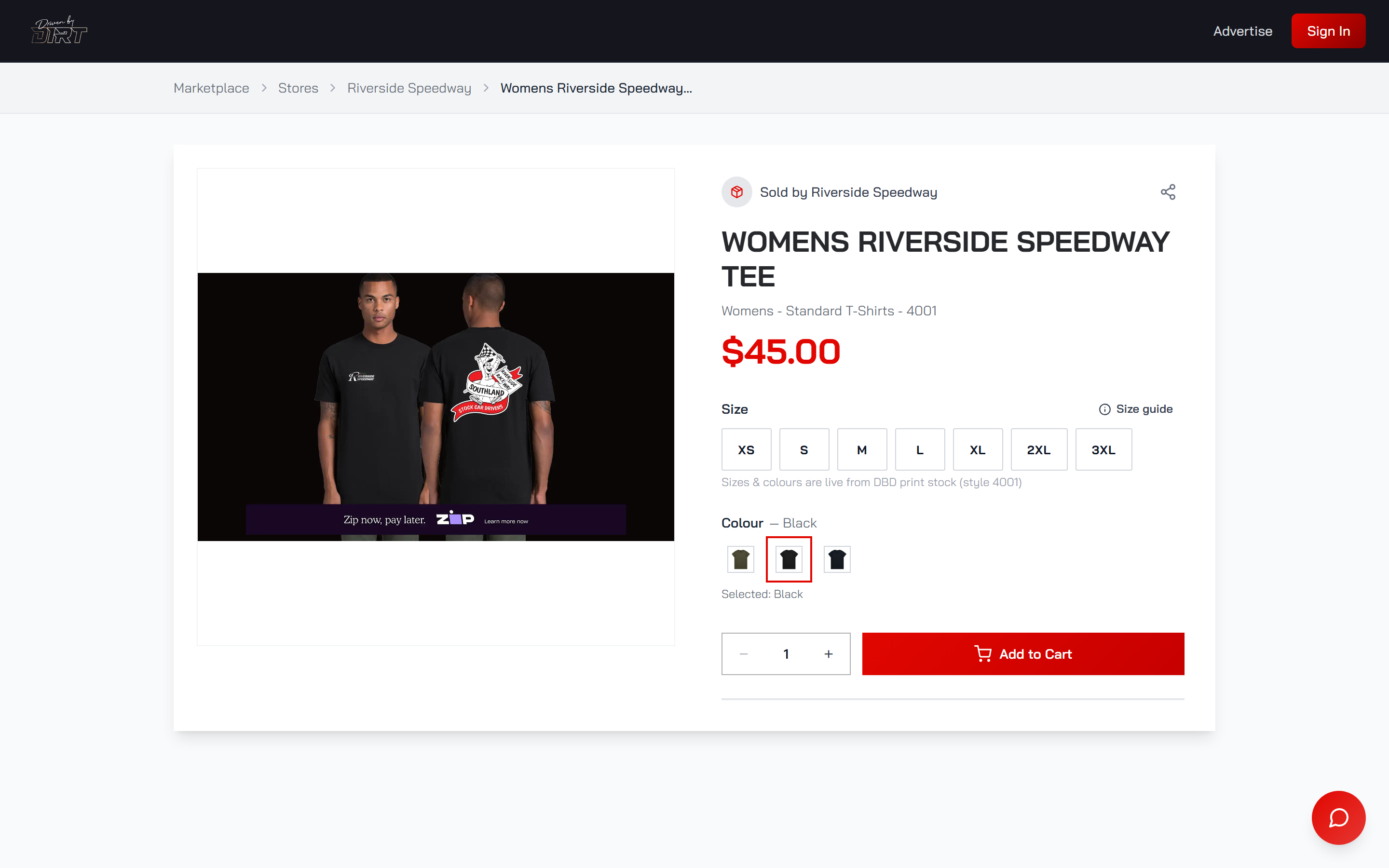
The method met its first real test as an order. A customer paid $97.50 for two racing tees in a club's store, the money cleared, and then nothing moved. The order stayed pending, the receipts never went out, the print job never left the building and Stripe, waiting for the website to confirm the sale, retried for hours against the same wall. A routine that checks shirt sizes before releasing stock was reading the wrong kind of label, throwing an error and stopping every step behind it.
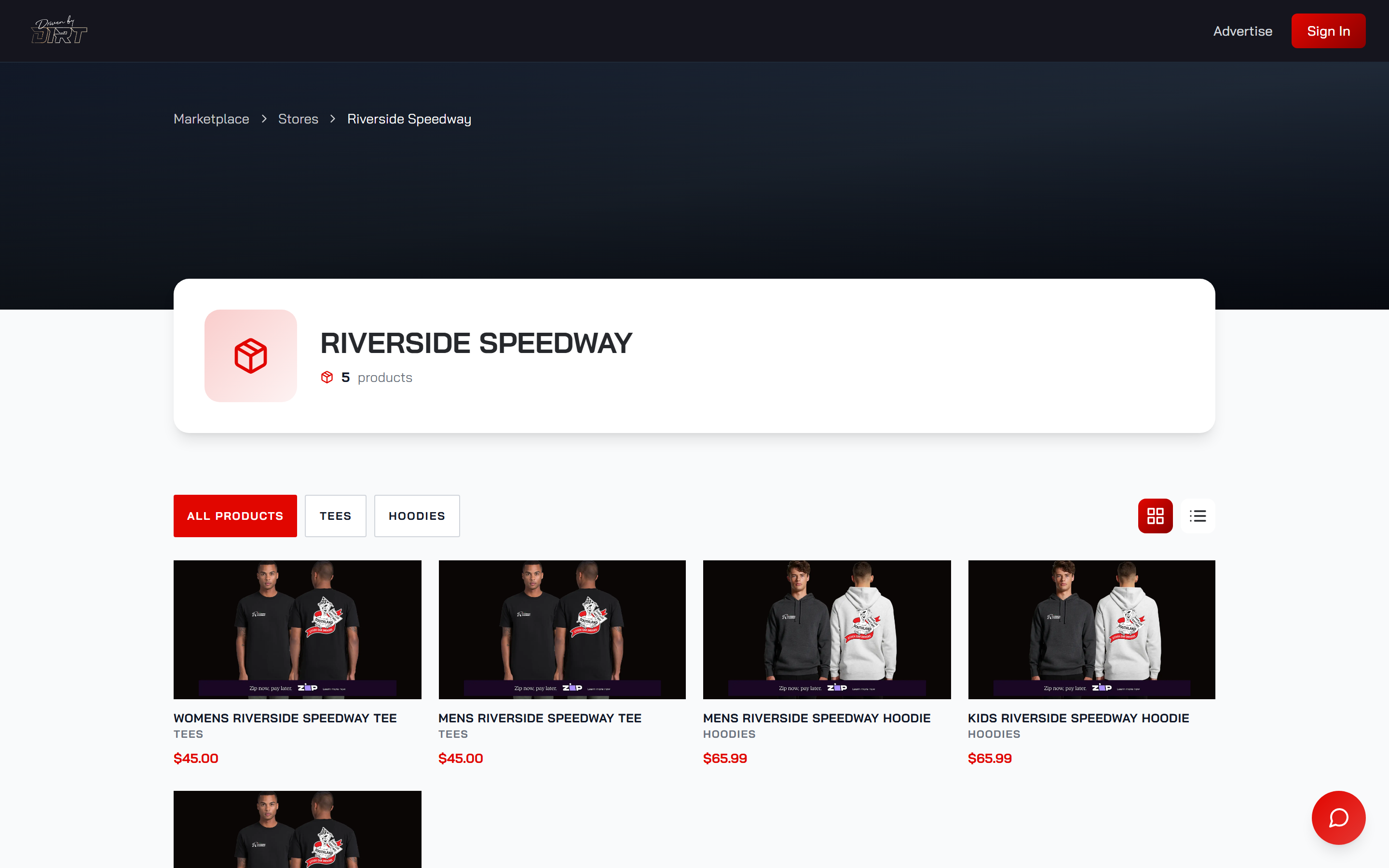
Coats' rule for this reads: if you were your character, in this situation, how would you feel? The character was a buyer staring at a silent inbox after parting with money. Neru says that framing set the priority. "The moment we saw it as her story rather than our log file, the order of work was obvious. Money taken means the sale is real. Everything after that has to behave as though it happened."
The fix went in within the day. The size lookup now tries the machine reference first and falls back to the human label a shopper actually picked. Printed garments are treated as never out of stock, because nothing is made until somebody orders it. Then the original payment event was replayed through the repaired code, and the whole chain completed in seconds: the order marked paid, the print run queued, receipts sent, the club reminded to connect its bank account so the payout can release.
One further rule guarded the repair, the one about coincidences. Getting a character into trouble by accident is fair; getting them out by accident is cheating. A fix that only works when nobody is looking is the same cheat, so the replay became a standing tool. Any stuck payment event can be fetched from Stripe, re-signed and pushed through the handler again with the real credentials. Nothing rests on luck.
Advertising taught the blunt half of the method. For months the site carried one general-purpose advertisement slot shared by every page, and the account behind it recorded 1,047 page views in a week with zero impressions. Google processed each request and fetched nothing, because the slot predated the site that had outgrown it. Three named units now match the three placements: a full-width banner for feeds and articles, a fixed strip for product pages, a rectangle for the article rail. Simplify, focus, then split what the focus reveals.
The same loop caught the numbers lying. The lifetime value card on the internal dashboard showed a customer who had paid $97.50 as worth nothing, because it counted an order table the marketplace had replaced. Four revenue streams are now tallied: legacy orders, marketplace orders, support payments and sponsorship payments, with shipping excluded as a fulfilment cost rather than product revenue. Meanwhile staff browsing was polluting the analytics that advertising decisions rely on. Administrator sessions, including staff signed in as somebody else, are now excluded from every measurement stack before a script loads.
Even the plumbing got a pass. Every purchase, activity and email event the website sends to its customer record system had been failing since that system moved behind a security gate, because a single line in the server's environment file kept being overwritten with an empty placeholder at restart. Restoring one line of interpolation brought the chain back, and a purchase note that had waited days arrived on the buyer's record immediately.
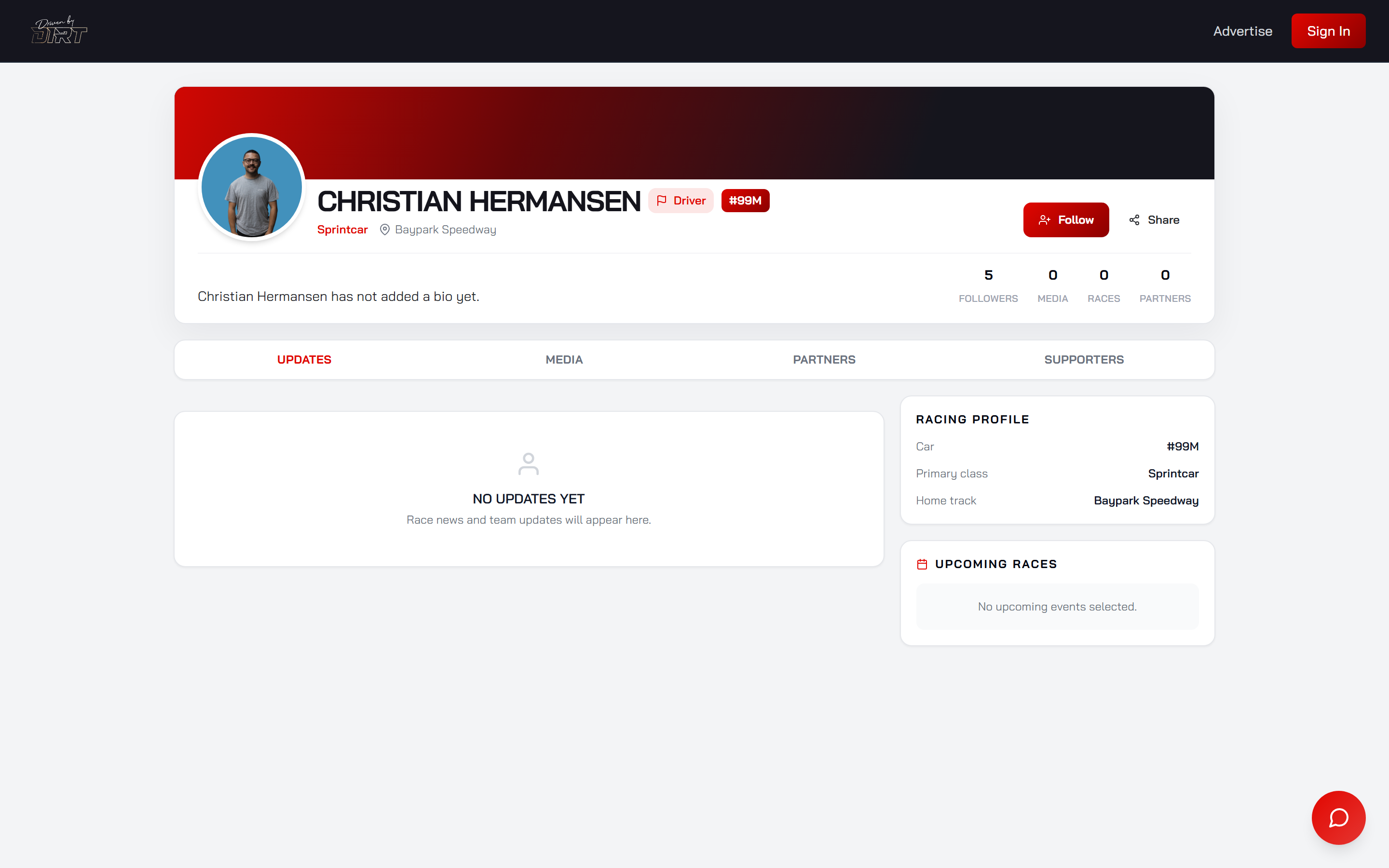
For a driver, the outcome is rails rather than promises. A profile carries updates, media, partners and supporters, with a follow button and honest counters. Fans can pay support directly from a profile. The dashboard shows how the page is performing. A proposal service assembles sponsorship documents that used to cost a weekend and a printer cartridge.
A store opens in an evening. Garments are printed on demand, so there is no inventory to buy and no boxes in the garage if nobody orders. Classifieds move cars and parts between racers, priced in the same place fans are already looking.

Coats' list insists you find your ending before you work out your middle. Driven By Dirt's ending is specific: a sport in which the people who fix the cars are paid by the sport itself, from their first season, without waiting on a promoter's decision. The payout that stays held until a new store connects its bank account, then releases on its own, is a small piece of that ending, and exactly the sort of boring safeguard a sport needs if 14-year-olds are going to grow up inside it.

The longevity case rests on the record as much as the revenue. The articles and digital magazines already preserve results, photographs and people that once lived in club filing cabinets, and every season the platform adds another year to a permanent archive.

The Pixar rule that fits last is the plainest: finish your story, let go even if it is not perfect, do better next time. The summer calendar is live, opening nights run from Gisborne to Christchurch, and somewhere on a whiteboard the next limiting factor is already circled.